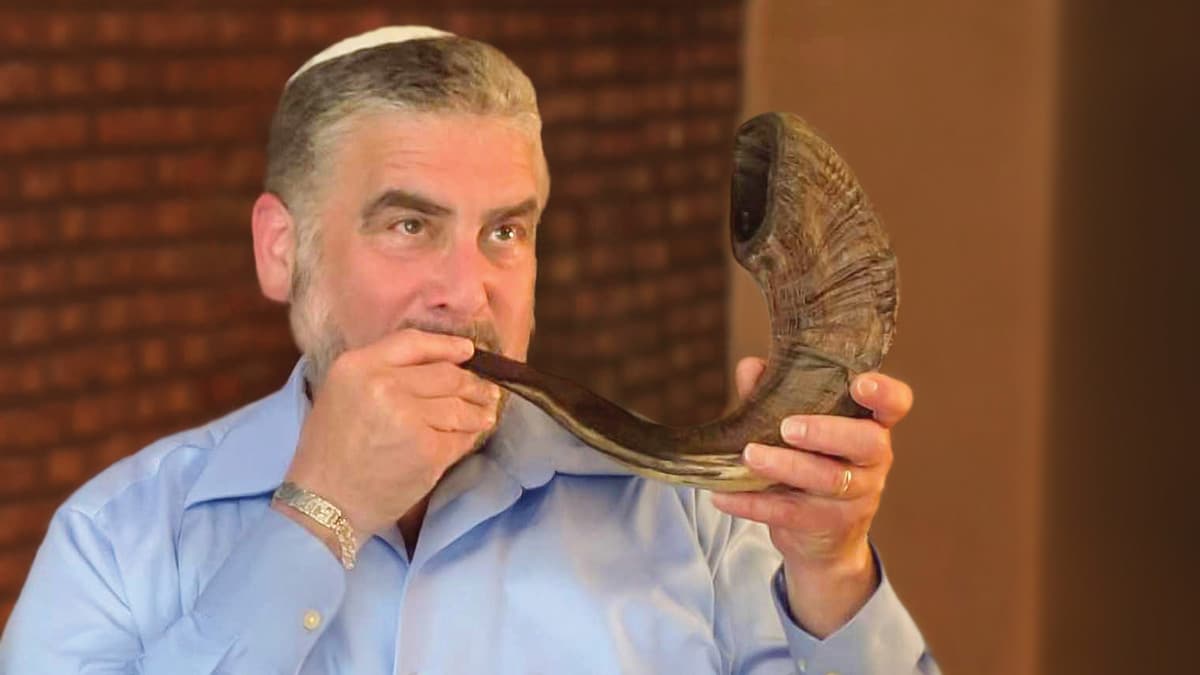
How Jesus Fulfills the High Holidays
by Aaron Abramson, Executive Director and CEO |
Most Jewish people have never heard that Jesus fulfills the traditional Rosh Hashanah greeting “L’shanah tovah tikatevu” (loosely translated, “May you be inscribed and sealed for a good year”). This greeting expresses hope for our names to be written in the Book of Life. How does the traditional Jewish understanding of this hope differ from what Jesus said, and what does that mean for us as his followers?
The Book of Life in Jewish Tradition
Jewish tradition teaches that each year, God determines a person’s destiny for the upcoming year, and having one’s name inscribed in the Book of Life is a metaphor for a favorable outcome.1 The Hebrew prayer Avinu Malkenu (Our Father, Our King) reinforces this idea as it is chanted on both Rosh Hashanah and Yom Kippur (the Day of Atonement). This beautiful prayer acknowledges our sin and our need for God’s forgiveness. Included is this line: Avinu Malkenu, katveinu b’sefer hachayim, which means, “Our Father, our King, inscribe us in the Book of Life.”
But how do we get from our need for forgiveness to having our names inscribed in the Book of Life?
In Bible times, the 10 days between the Feast of Trumpets (now more often referred to as Rosh Hashanah) and Yom Kippur were a time of reflection and repentance. Repentance was followed by the sacrifices on Yom Kippur.
Reflection and repentance are still central to Jewish High Holiday observances. But without the Temple sacrifices, there’s a big question mark over what it takes to be inscribed in the Book of Life. Many pray and fast and hope their good deeds have outweighed their bad deeds. There’s a lot of emphasis on our efforts, but no real assurance.
What Did Jesus Say About Being Written in the Book?
In Luke 10, Jesus makes an important reference to names being written in the Book of Life. He’s sent his followers out to proclaim the kingdom of God. They return filled with joy over the power and authority Jesus had given them to do remarkable things. How does Jesus respond? He acknowledges that he’s given them power and authority to do his work, then says, “Nevertheless, do not rejoice in this, that the spirits are subject to you, but rejoice that your names are written in heaven” (Luke 10:20).2
Jesus was not minimizing their ministry effectiveness. But rather than focusing on their abilities or the results of their ministry, Jesus urged them to rejoice most of all in the fact that their names were written in heaven.
In other words, their deepest source of joy should not be in what they could do for God but in their everlasting relationship with God.
This assurance of being inscribed forever in heaven (or in the Lamb’s Book of Life as the book of Revelation puts it) is very different from the traditional Jewish hope of being inscribed from one year to the next.
Rather than a big question mark of “Have we done enough to make it through another year?”, when we repent, we get an exclamation mark. Rejoice! Jesus’ sacrifice covers your sin in a way no amount of good deeds ever could.
What Is the Takeaway for Us as Jesus’ Followers?
True ministry begins with dependence on God, and it is only sustainable through that dependence. If we lose focus on our total dependence on him, our confidence will subtly begin shifting to strategies, programs, budgets, technology, or even past successes. These things are not wrong. God often uses them as tools to accomplish his purposes. The danger arises when we begin trusting in the tools rather than in the One who provides them.
Our responsibility is to follow him faithfully and trust the results to him.
Not one of us can change a human heart; not one of us can save another person; and not one of us can inscribe a name in heaven. Only God can. Our responsibility is to follow him faithfully and trust the results to him.
That’s why ministry is never about bringing God into what we have already decided to do; it’s about seeking his heart, aligning ourselves with his purposes, and following his lead. That doesn’t mean we shouldn’t celebrate results at all! After all, the Bible does. Remember Peter and the 3,000? And the Bible says angels rejoice when even one person repents! So, we can, too, as long as we keep our perspective.
This special season of the High Holidays is all about turning back to the Lord in wholehearted dependence. We need to fight the tendency to focus on our accomplishments or how to get results and, instead, put God and our relationship with him at the center of our lives. After all, our names have been inscribed, and we have become heirs of his heavenly kingdom as his sons and daughters.
This holiday season always brings us extra opportunities to reach out to Jewish people through special events or conversations that tie in with the themes of the holidays. Please join us in asking God to make these opportunities fruitful.
As you pray for the Jewish people during this season, I encourage you to make the traditional greeting into your own prayer. Pray that God will inscribe the names of your Jewish friends, neighbors, coworkers, and family members in the Book of Life. Pray that they would come to know the One who gave his life for them and rose again. And as we continue serving together, may our confidence never rest in what we can accomplish for God, but in what he has accomplished for us.
1. You can learn more about the Book of Life in this article, which we published for Jewish seekers: “The Book of Life in Judaism at Rosh Hashanah and Yom Kippur.”
2. Jesus’ imagery may be an allusion to “the Lamb’s Book of Life” mentioned in the book of Revelation, including Revelation 21:27.
There’s more to see and pray for!
Related Articles


Subscribe
Get new monthly articles and special invitations in your inbox!