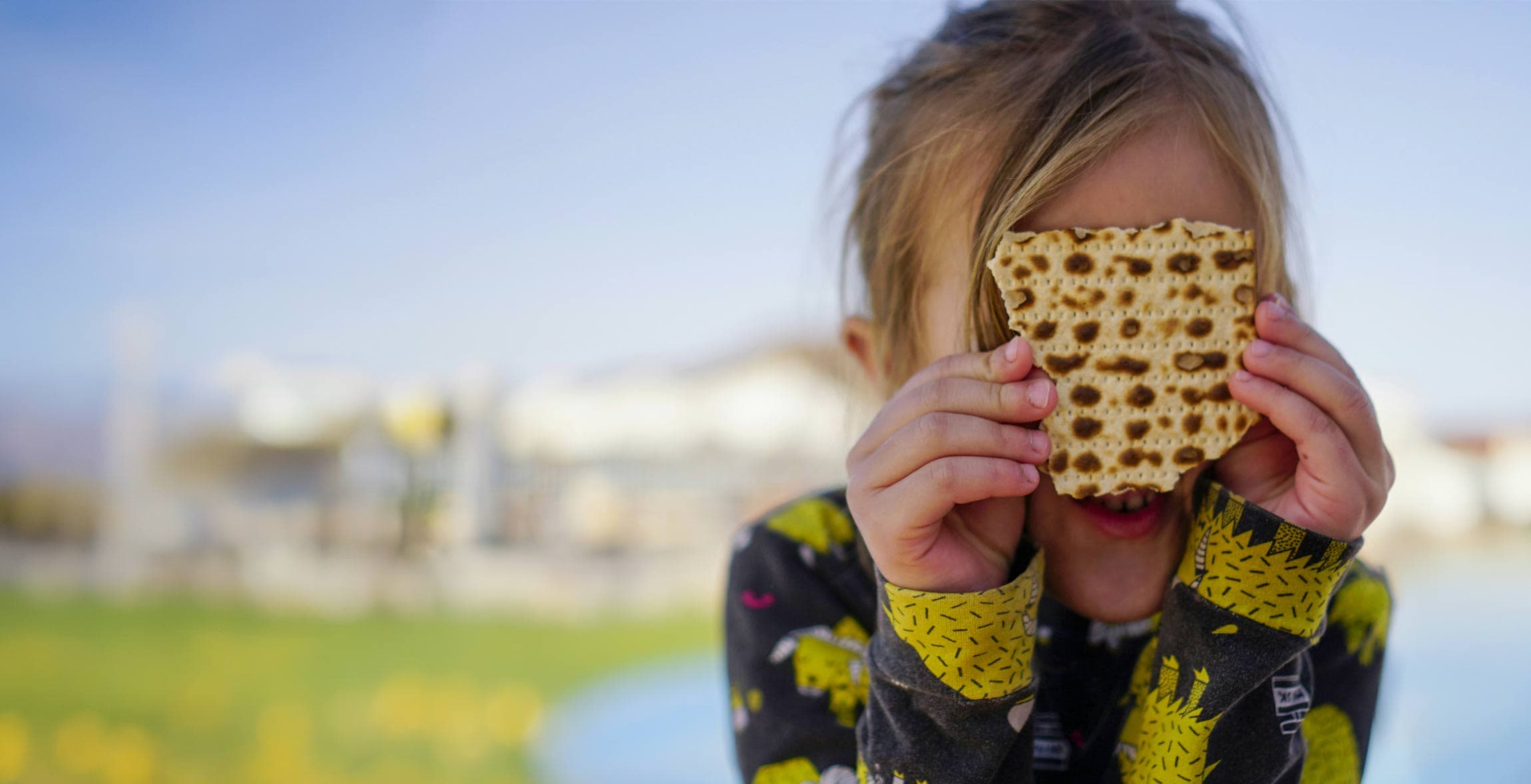
Raising Kids Who Are “Both” at Passover
It’s a chance to celebrate all the facets of your family’s identity.
by Youth and Family |
It’s not easy parenting kids with a combination of both Jewish heritage and faith in Jesus. Actually, we could back that statement up a step and just say, “It’s not easy parenting kids!”
And in busy years or hard ones, a perfect holiday might feel out of reach. But what if passing down our heritage and faith can help add meaning to all the other challenges? We remember that the hard moments and the busy ones are just that—moments—but the story of our people stays the same.
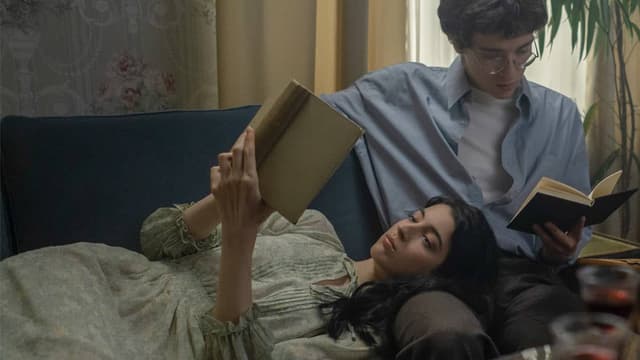
Sydney Taylor illustrates this in her early 20th-century novel entitled All of a Kind Family. Two parents (simply called “Mama” and “Papa”) are raising five Jewish girls in the Lower East Side in the early 1900’s. One spring, the girls come down with scarlet fever. The girls are devastated—not only because of feeling ill—but because they won’t be able to fully participate in the Passover seder as they normally do.
When it comes to the holidays, we know that simple can still be meaningful.
“‘Don’t cry,’ he [Papa] told them. ‘We shall keep the door open throughout the services. I shall read loudly so you will be able to hear me. Join in when you can.’”1 From their sickbeds, the girls still know that there is a tradition they can count on—we remember the story of how God rescued our people, and we always will.
It reminds us of a moment in the life of Jesus. He was anticipating his persecution and death at the hands of the Romans. And so, he said that he “eagerly desired” to celebrate the Passover with his friends in Jerusalem, even in the midst of all that would happen.2
We hope this year finds you and your family in a sweet spot (and we certainly hope no one in your house has scarlet fever!). But maybe finding your own rhythms to Passover will help make the holiday special—whatever this season holds.
Find Your Elements
When it comes to the mitzvah (commandment) of celebrating Passover, Jewish tradition has leaned on the advice of first-century leader Rabbi Gamliel. Gamliel said that the matzah, the maror (bitter herbs), and the lamb are the elements required for faithful observance.3
When it comes to the holidays, we know that simple can still be meaningful. Yet there are elements of fun that can be included—and there are also key moments in the story where you can teach your kids about the symbols in Passover that point to Messiah.
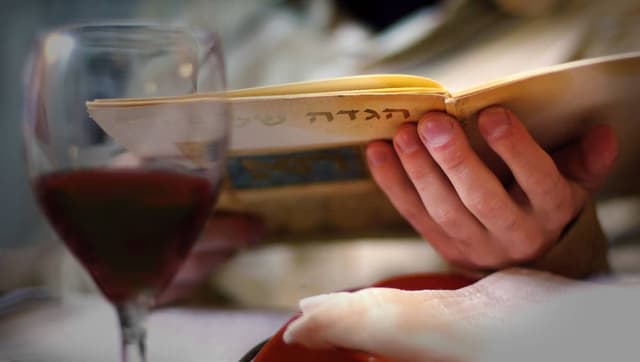
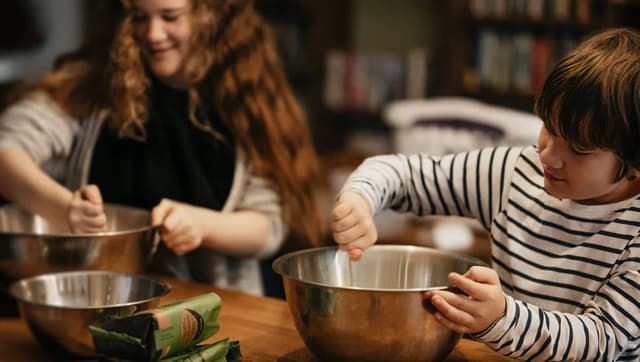
Maybe your traditions include reading from a Messianic Haggadah (book containing the order of the Passover service) with your kids, or letting them loose in the kitchen to try a new leaven-free recipe, or asking them whom they’d like to invite over to help celebrate this year. Don’t be afraid to try new traditions—or to let go of old ones that are not serving your family anymore.
Not every year will be the year you go all out. We can choose to do what we can imperfectly—rather than doing nothing unless it can be perfect. The command is to tell the story of how our people came out of Egypt. Nowhere does it say, “And you must sit at the table with Grandma’s china for four hours and not spill on the table.” (Let’s not forget that our ancestors ate in haste!)4
Find Your Community
It’s worth finding the similarities in two traditions that sometimes feel different. Many Christian churches observe the Lord’s Supper, which happened at a Passover seder. While these two ceremonies are not the same, they are both ways of telling a story and of remembering that God can do the impossible.
Oftentimes, in families where Jewish heritage and faith in Jesus are both present, it can be hard to find community that reflects who you are. Sometimes it feels like it would be easier to pick one aspect of your identity and just lean into that!
Especially at Passover, if you don’t have access to a Messianic congregation, you may wonder where to celebrate and whom to celebrate with. And if this “blending” wasn’t modeled while you were growing up, you may truly be starting from scratch.

But wondering where our community is—and wandering in search of “home”—is part of the story of Passover. So don’t give up, and don’t be afraid to try different things in different seasons of your life.
One year, you might attend a seder at a local synagogue, then come home and read to your children the story of how Jesus celebrated Passover. Another year, you might invite some friends over and try hosting a Messianic seder yourself.
If you gather some colorful (or even silly) memories along the way, be encouraged—maybe those will be some of the moments your children hold onto most dearly.
Hear Your Kids’ Questions
Being both isn’t easy for you—and it’s not easy for the kids, either.
They may feel the layers of nuance and, especially if they’re not surrounded by Messianic Jewish community, they may have questions like, “Where do I fit in?” We’ve also heard kids ask, “Why can’t we be like everyone around us?” There are lots of layers to this question. And we are not saying you need to have the perfect answer loaded, or even that you need to answer it straightaway. But hearing their concerns shows that you care—not just about the holiday or their participation in it, but about who your children are as humans.
The good thing is, our tradition and our people are not strangers to questions—especially at Passover! So, invite their questions. Answer if you can, but know that it’s okay if you don’t have all the answers (none of us do). Show them what it looks like to take the unanswered questions to God in prayer. And know that it’s okay if you, Mom or Dad, are learning alongside your children.
And in the midst of the unknowns, don’t forget to play! Try turning it around and asking your kids some questions: What parts of this holiday are fun for you? Which parts hold special meaning? Is there anything you’d like to take ownership of this year?
It’s natural and normal for kids to want to fit in with their peers. One thing we can do at the holidays is show them that they do fit in right here—in this family, in this story.
Find Your Why
Whatever challenges you may face in addressing your children’s nuanced identity, the kids want to know you and know who you are. Learning what’s been important in their family history guides our children as they begin to form ideas of what will be important to them. Traditions can be formative regardless of how perfect or imperfect the copy-paste looks from generation to generation!
Your ability to lean into the many layers of your family identity may ebb and flow with the years, and so may your kids’ interest in Jewish traditions.
Traditions give our children a place to belong and a story to remember
But that’s okay—God gave us this holiday as a way to pass down our story, and he gave it to us to keep year after year. Ancient Israel even had a tradition called Pesach Sheni, which meant that if you were unclean at Passover, you would have a second chance a month later to celebrate with your community (Numbers 9:10–11).
It’s always been important to keep, and to pass down the story. Part of the Lord’s original instructions to Moses say:
And when your children say to you, “What do you mean by this service?” you shall say, “It is the sacrifice of the Lord’s Passover, for he passed over the houses of the people of Israel in Egypt …” (Exodus 12:26–27)
So when you celebrate, know that you’re passing down the history of redemption. It’s woven throughout the Bible, and it’s also present in our lives.
That story didn’t end with Passover, and it doesn’t end in our homes when we’ve cleaned up the last matzah crumb. We’re living the story of what it looks like to follow a redeeming God bit by bit, day by day. Take heart and know that sharing what matters with our children comes in the context of daily life—it’s not all down to one big conversation.
Share Your Table and Your Life
When your children are grown, they will be the ones to decide what their connection to their heritage and their faith looks like. Our goal is to give them a place to belong and a story to remember.
At the end of the day, the point of parenting is for kids to know that they are safe, that they are loved. So, if one year things don’t work out like you’re planning, don’t stress out!
Identity formation is an imperfect science. We don’t know which points of exposure around holidays, identity, or faith will resonate with our children or what they will want to replicate when they are grown. Will it be how you sing Dayenu, or matzah pizza, or watching Prince of Egypt?
Share what you love about being Jewish with your kids—and watch to see what they connect to. Traditions don’t have to happen the same way every year for them to be a meaningful part of your family’s story. That story was written (and is being written) by God himself. Breathe, let the pressure come off, and share holidays with your family in ways that matter to you—and be encouraged by what matters to them.
Endnotes:
1. Sydney Taylor, All of a Kind Family (New York: Yearling, 1979), 126 Kindle version.
2. Luke 22:15 NIV
3. “Pesach Haggadah, Magid, Rabban Gamliel’s Three Things,” Sefaria, accessed 2/26/2026.
Related Articles
Subscribe
Get new monthly articles and special invitations in your inbox!