Our First Allegiance
February 24, 2026, marked four years since Russian forces invaded Ukraine. That invasion triggered a war that has brought about catastrophic death, destruction, and suffering. Some estimates put the combined death toll for Ukrainians and Russians at nearly half a million, with nearly two million injured on both sides.1
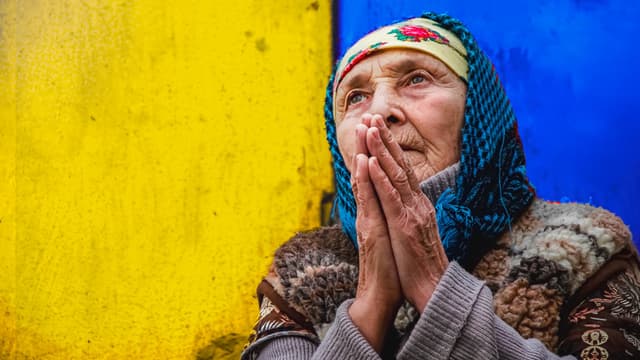
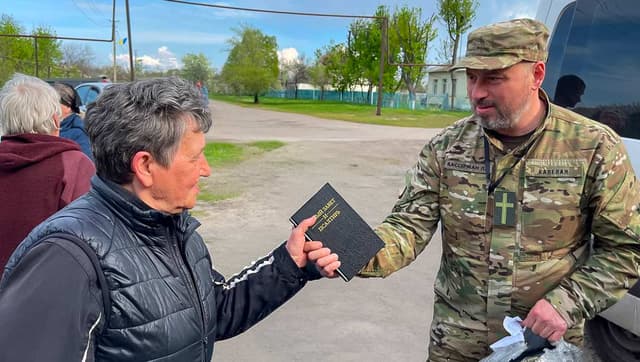
Meanwhile, our Ukrainian staff, their families, and those they serve are enduring nearly unlivable conditions at home and the ongoing trauma of this long war. Most spent the unusually cold winter without electricity, water, or heat for most of the day, forcing them to survive in conditions no one should ever face.
That’s why I’ve been amazed at how, by God’s grace, both the Ukrainian and Russian Jews for Jesus teams continue to proclaim the good news—and with good results. In just the past two months, more than a dozen Jewish men and women in Ukraine and Russia have given their hearts to the Lord.
People understood their only hope lay in opening their hearts to the Lord.
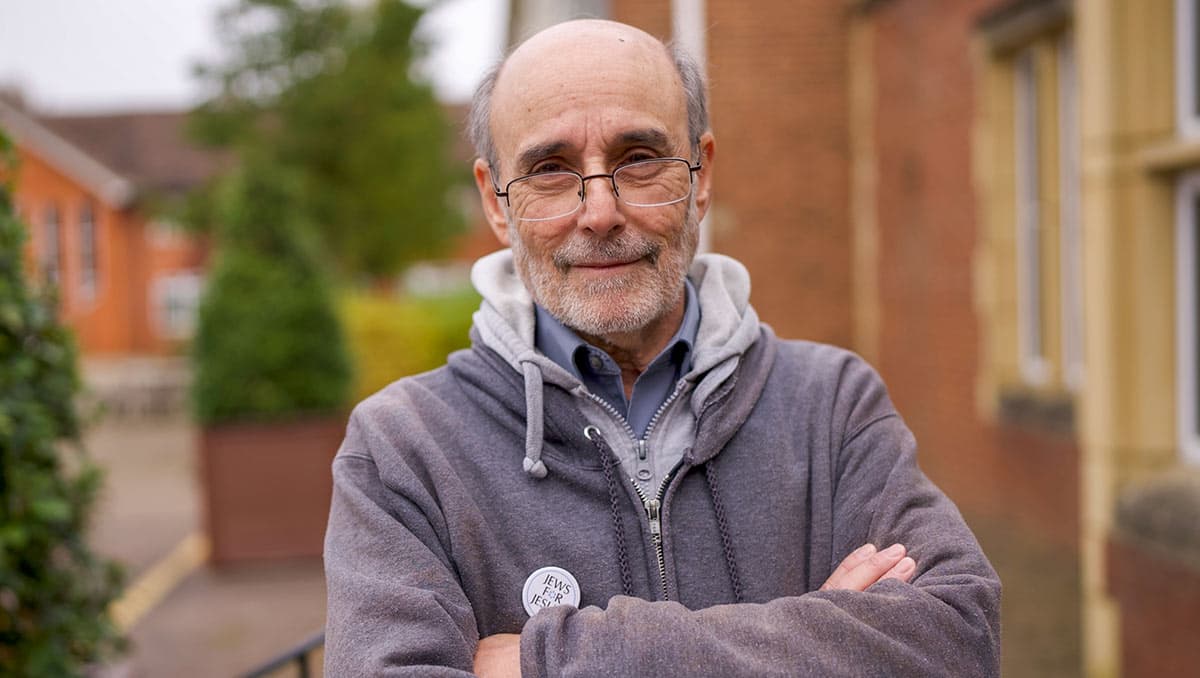
Tolik Emma leads our work in Kyiv, and Ilya Khaimovich leads our work in Moscow. Tolik, Ilya, and I served together on outreaches in Moscow during the 1990s. In those days, we would return from witnessing on the streets, thanking God for protecting us from aggressive police and violent antisemites. But most importantly, we’d rejoice together over the Jewish and non-Jewish people who had prayed to receive the Lord. As the Soviet Union fell apart at the seams, people understood that their only hope lay in looking “to the hills” (Psalm 121:1) and opening their hearts to the Lord. Those were uncanny times of intense outreach and deep fellowship.
Today, news outlets and social media tell Tolik and Ilya that they’re enemies. But they know that they’re brothers and colleagues because they know where their first allegiance lies: with Yeshua, his body, and the call to proclaim the good news.
As the Jews for Jesus chaplain for our Eastern European staff, I’ve seen firsthand how, at times, this war could have threatened the unity of our team. Serving in one ministry across political lines becomes difficult as personal and national loyalties create pressure that can affect our shared work. Over the last few years, the situation for our Ukrainian and Russian staff reminds me of the political context in which Paul wrote to the believers at Philippi.
Paul spent his days and nights under house arrest in Rome, while the Philippian brothers and sisters faced mounting hostility from the Roman authorities. But how did Paul end his letter to the Philippians? “All the saints greet you, especially those of Caesar’s household” (Philippians 4:22). Could it be that Paul was singling out these Roman nobles’ salvation as a way of reminding the Philippians—and us—where our true allegiance must always lie?
In times like these, when worldly powers collide, we must remember that God’s kingdom doesn’t shift with political winds or national borders. Tolik and Ilya once served side by side on the streets of Moscow, yet they now stand on opposite sides of a painful geopolitical divide. Even so, they remain united in the only allegiance that endures: their devotion to Yeshua and his mission. May their example inspire us to keep unity in our first allegiance.
Endnotes
1 Paul Sonne and Constant Méheut, “Ukraine War Deaths,” The New York Times, February 4, 2026.
There’s more to see and pray for!
Related Articles