Rosh Hashanah
Rosh Hashanah is a time to reflect and to look forward. Here is a guide to help you do that in meaningful ways.


Quick Facts
Hebrew Meaning of Name: “Head of the Year”
English Name: Feast of Trumpets
Jewish Calendar Date: Tishrei 1–2
Duration: Two days outside Israel, one day in Israel
Establishment: Leviticus 23:23–25; Numbers 29:1
2026 Dates
Evening of
Friday, September 11
through
Sunday, September 13
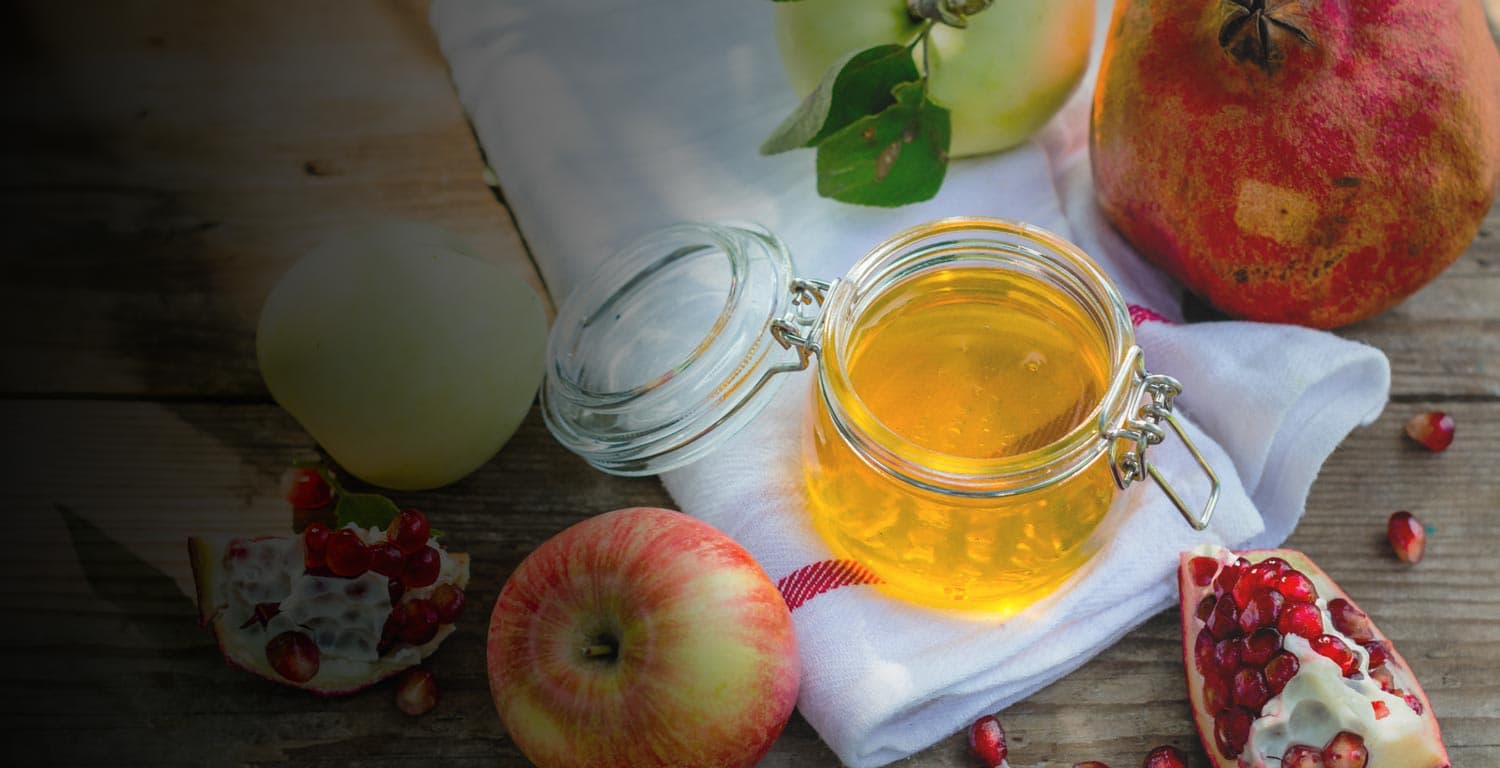
A Sweet New Year
We all need the fresh start that Rosh Hashanah offers. It ushers in the High Holy Days, which are an invitation to come to God for forgiveness and renewal.
As you plan for a sweet new year, learn more here about the history of the holiday. (Like, why do we celebrate Jewish New Year in the fall?)
Traditions
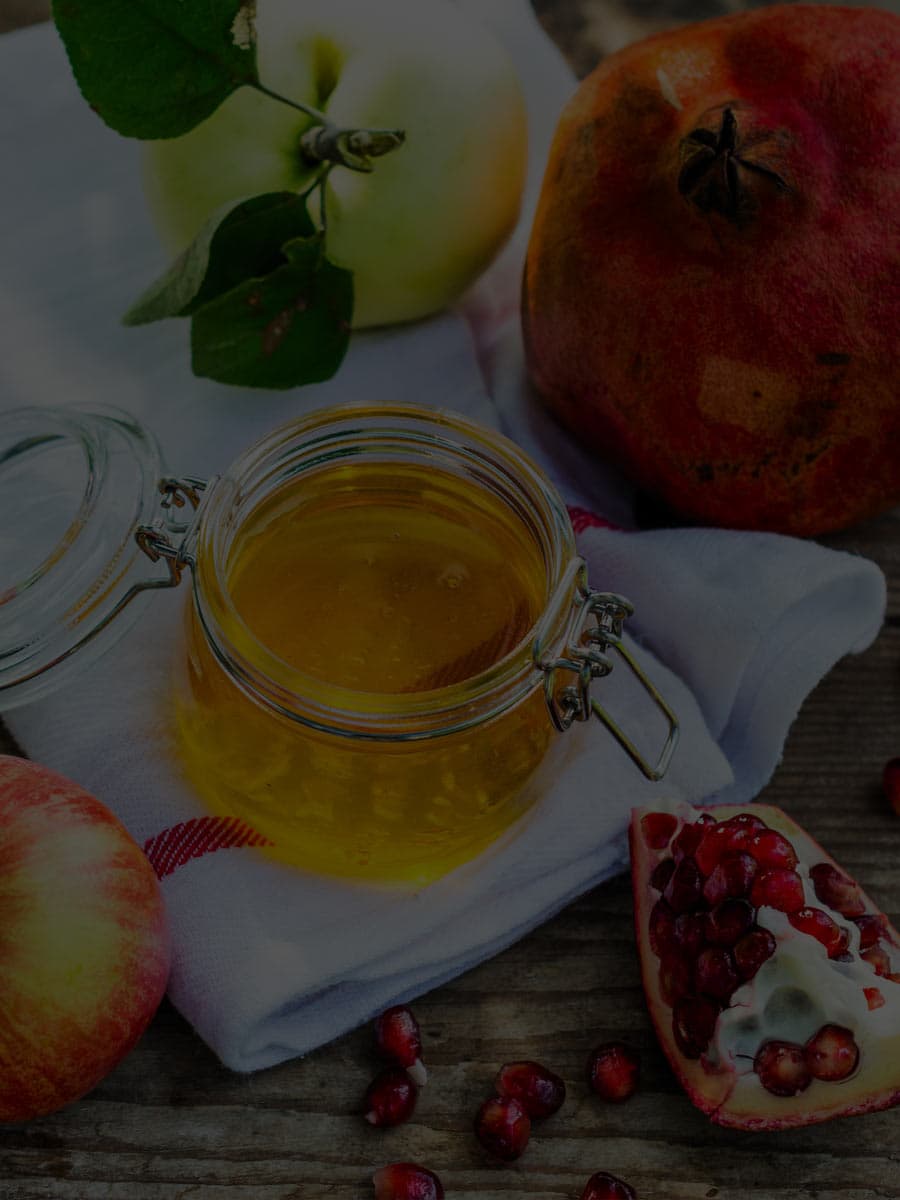
We blow the shofar and eat apples and honey, but why? Here’s a quick breakdown of Rosh Hashanah traditions, what they are, and why we do them!

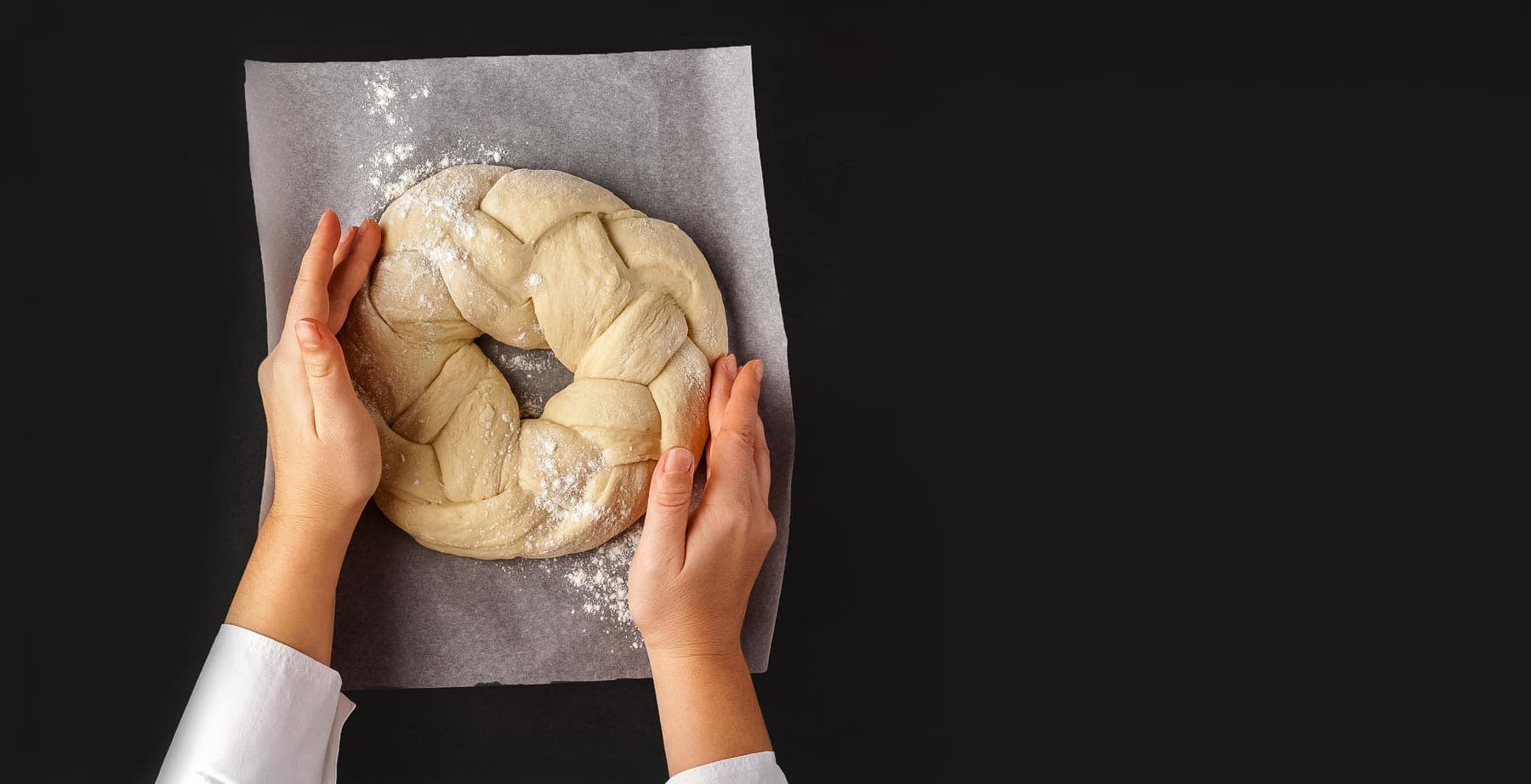
Recipes
From our bubbes’ kitchens to yours, here are our favorite recipes:

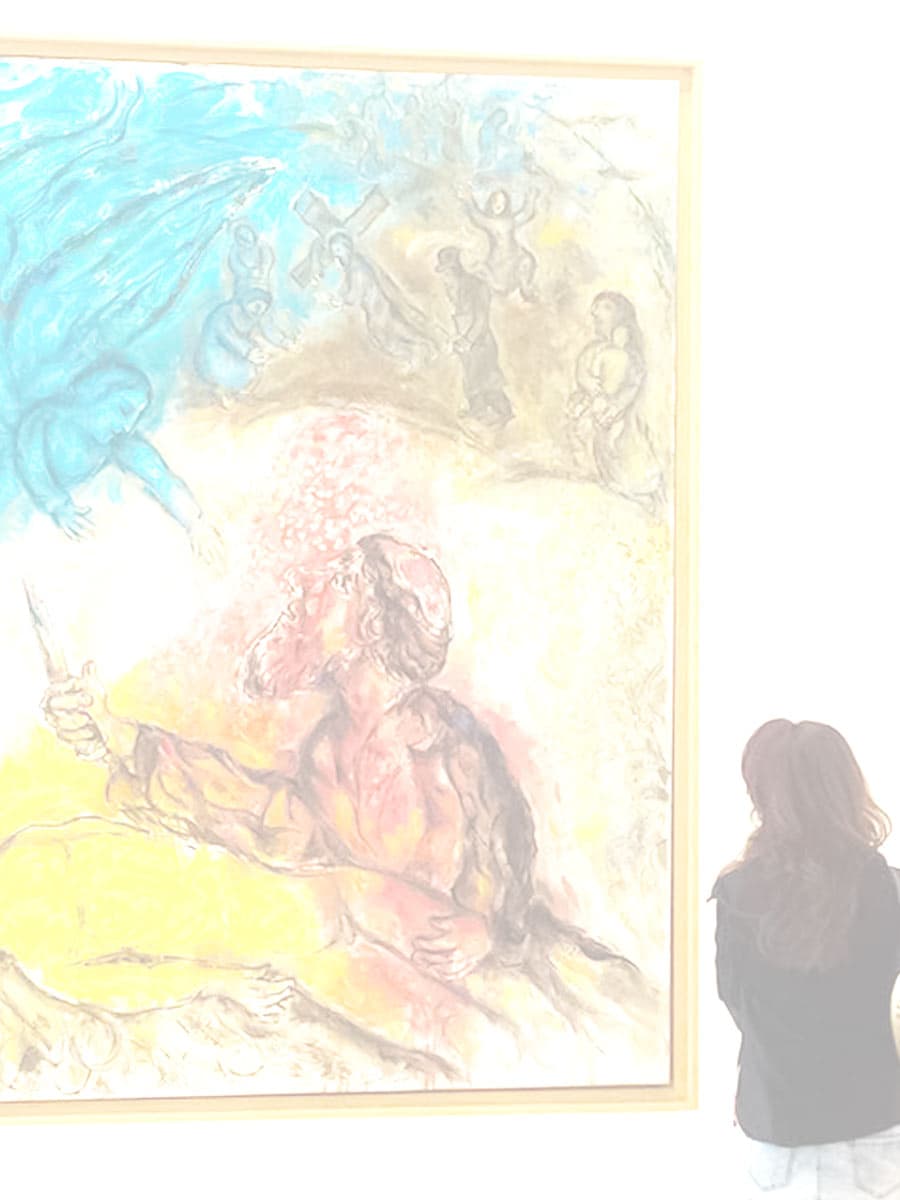
The Akedah:
What Could It Mean?
Rosh Hashanah synagogue readings include the story of Abraham binding his son Isaac on an altar in order to sacrifice him.
Learn about the traditional interpretations and why many Messianic Jews see Jesus—son of Abraham and lamb of God—in this story.